Learning Disability Today
Blue Sky Offices Shoreham
25 Cecil Pashley Way
Shoreham-by-Sea
West Sussex
BN43 5FF
United Kingdom
T: 01273 434943
Contacts
Alison Bloomer
Managing Editor
[email protected]
[email protected]

People with profound and multiple learning disabilities (PMLD) are often an overlooked group who have unique needs. In this interview, Annie Fergusson and Michael Fullerton from the volunteer-run charity PMLD LINK discuss what good support looks like for people with PMLD.
Annie Fergusson: PMLD LINK is a charity established to make a difference to the lives of children and adults with profound and multiple learning disabilities (PMLD). It was established in 1988 by a group of teachers who met during a PMLD course. At first, it was a small group wanting to keep in touch and share ideas, recognising that although people with PMLD had specific needs, they were often overlooked in teaching approaches and policy decisions.
Around that time, I became deputy head of a special school on the campus of a long-stay hospital where most of our students had PMLD, apart from a few younger children. Due to low expectations, this group was often treated like second-class citizens, not intentionally but because of limited resources, such as access to qualified specialist teachers (in those days, we had specialist teacher training courses).
At this time, when access to education for those with learning disabilities was relatively new (the 1970 Handicapped Children’s Act), we didn’t use the term profound and multiple learning disabilities in schools, and this group of young people commonly received ‘special care’ (TLC) in classes or units separate from the rest of the school.
The initial issues of PMLD LINK were very informal, hand-typed newsletters on paper, but over time, the newsletter gained momentum, and we formed a committee of like-minded individuals to build a network. Since then, PMLD LINK has evolved into a more formal, professional-looking publication.
Annie Fergusson: All children and adults with PMLD will need high levels of support with most aspects of daily life. According to estimates, approximately 35,000 people of all ages in the UK will be described as having profound and multiple learning disabilities.
These individuals are all unique, but they always have more than one disability, the most significant of which is a profound intellectual disability. Despite improvements in service delivery over the last decade, people with PMLD continue to face barriers to accessing good-quality healthcare, education, leisure activities, and support services. This is one of the reasons why PMLD LINK were so involved in developing standards to ensure that people with PMLD have access to consistent, high-quality support and opportunities throughout their lives, regardless of the service or provider.
Michael Fullerton: We began discussing the development of national standards in early 2016, aiming to define what constitutes good support for people with PMLD. These co-produced Core and Essential Service Standards (Doukas et al., 2017) are designed to raise expectations and improve standards of care and support for this often-overlooked group across all health, education, and social care services.
More than 50 people contributed to their development. We launched them at our ‘Raising the Bar’ conference in Manchester in 2017. We expected around 100 delegates, but the turnout was even better than expected. The atmosphere was electric, and attendees were eager to network and share information.
Many policy documents make unrealistic assumptions about people with PMLD; therefore, we aim to outline key objectives and principles that should be evident across all services. Commissioners and service providers should adopt these standards, and families and other key stakeholders should be made aware of them.
Families and other representatives should be clear, from the outset, of what level and type of standards to expect for the person they represent and advocate for.
We also wanted the standards to be used as a way of engaging professionals in the learning disability sector who don’t usually work with people with profound disabilities.
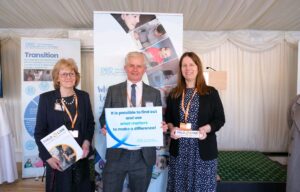
Annie Fergusson: In 2010, Professor Jim Mansell from the Tizard Centre published a report titled “Raising Our Sights,” which examined services and support for people with PMLD. In the report, Professor Mansell outlined what is needed to improve the lives of people with PMLD. Mencap and the PMLD Network then published their how-to guides and videos, focusing on their key recommendations.
Mansell’s report said commissioners and policymakers were not sufficiently addressing the needs of people with learning disabilities who had more complex needs. However, we found that seven years after the report was published, little had changed.
When we spoke to commissioners, there was still a sense that this group of people are too expensive, so they are often lumped together to save money, rather than their unique needs being met. There’s a low expectation of what’s possible, rather than people living their best lives.
Our standards aimed to encourage people to consider the bigger picture and the long term. If cost savings were the primary focus, then enhancing the quality of life, health, and overall well-being of individuals with PMLD was crucial to reaching that goal.
Michael Fullerton: People with PMLD have multiple unique needs and challenges. Communication is a key issue in terms of people being able to articulate their thoughts and feelings. We need highly skilled people around the person to ensure that we can maximise their expressive and receptive communication.
A lot of attention and resources tend to go to people who present with behaviours which challenge, but there is very little noise about people with PMLD
Anyone working with people with PMLD needs the confidence, knowledge and skill to support their health challenges, which can include difficulties and risks with eating and drinking and respiratory function. There will often be postural management needs and neurological conditions, including complex epilepsy.
In the adult sector, a lot of attention and resources tend to go to people who present with behaviours which challenge, but there is very little noise about people with PMLD who live in clinical or remote settings. They need to live in the heart of the local community, in homes that look like ordinary homes but are also specially adapted. However, that costs money.
Social care providers must ensure that these environments meet the needs of the people they support. They also need access to a wide range of allied professionals, including epilepsy nurses, physiotherapists, speech and language therapists, occupational therapists, and wheelchair services.
Michael Fullerton: This recognises the need for everyone to participate in and be actively engaged in activities they enjoy and with people they like spending time with. There should be evidence that people spend their time in ways that are meaningful and fulfilling to them. This includes time spent actively and passively, as well as time spent socially and in solitude.
Each person must be supported to participate in everyday activities and develop the ability to engage with tasks in a way that is meaningful to them. It is also essential that they are supported to participate in social and leisure activities personalised around perceived and known interests and choices, and that provide recreation and are fun. Essentially, we want people to benefit from an ordinary life, a life in which they are contributing in a meaningful way.
That said, we need to address this group’s health needs effectively first so that the person has the best possible health, and we reduce the risk of hospital admissions. If we get health and postural care right, then the person can have a good social life.
Annie Fergusson: The Core Standards aim to ensure adequate support that promotes the health and well-being of each person, including any specialist healthcare needs that increase the person’s vulnerability.
It can even be as simple as ensuring that there are hoists in GP surgeries and hospital wards, and changing places toilets in every town. It also includes addressing diagnostic overshadowing, which often leads to significant health needs being overlooked. Vision and hearing are classic examples.
People with PMLD also exhibit unique and non-typical signs when their health worsens, or they’re in pain.
For example, my brother was 53 when we eventually got someone to acknowledge he had a vision impairment. SeeAbility has been working in special schools, and they found that children with learning disabilities are 28 times more likely to have a serious sight problem than other children.
People with PMLD also exhibit unique and non-typical signs when their health worsens, or they’re in pain. They may show usual symptoms in significantly different ways; for instance, core body temperatures might be considerably lower than standard benchmarks, which can delay escalation and treatment when they are seriously unwell.
Michael Fullerton: In fact, there are also a lot of challenges around low expectations about recovery for people with PMLD in healthcare settings. Often, families and caregivers have to fight to receive the right investigations and proper treatment, and to ensure they are not discharged from the hospital too early.
It’s easier where we have an excellent relationship with an acute liaison or learning disability nurse. They will help ensure that the person’s journey is smooth and appropriate.
This is why it is so worrying that the number of registered learning disability nurses is dwindling. The benefits of this professional role are not clearly articulated, and many in the NHS are unaware of its purpose.
Increasing the number of them will benefit the whole learning-disabled population, but particularly people with PMLD, because of the complexity of their needs.
Annie Fergusson: Someone’s ability to communicate would be the most significant misunderstanding. Everyone CAN and DOES communicate. With the proper support, this can be effective and meaningful. Sadly, long waiting lists for specialist speech and language therapists (SALTs) make it difficult to get support and advice. Much SALT work now prioritises dysphagia(swallowing difficulties) because that’s about keeping people alive.
Based on what people tell us and our personal experience, communication isn’t well-supported. You might receive a one-off assessment and some advice, and then you
are left to your own devices. However, in my experience, ongoing training and support are crucial to implement and embed that advice effectively.
Mandatory training in social care doesn’t cover anything about supporting people’s communication needs, let alone very specialist approaches like intensive interaction
approaches. By ensuring people can maximise their potential for expression, we can better support them if they are in pain or unwell.
Unless you know that person well, you could easily miss those or interpret them as being something else. People will sometimes say someone with PMLD is a bit angry, but it might just be that they’re trying to tell you something’s not OK, so you need to dig a bit deeper.
The same is true when we discuss meaningful activities and how people communicate their interests and preferences, as these are all interconnected. How do we know if someone is enjoying their activity if their ability to engage is quite minimal, or if we haven’t developed effective ways to support them in doing so?
Michael Fullerton: I’m frustrated by the fact that the regulator in England, the Care Quality Commission, has not taken much interest in the standards, even though it is responsible for all sorts of services where people with PMLD are supported. We hoped that the standards would be used collectively, enabling people supporting those with PMLD to improve continually.
Looking to the future, I believe that there are opportunities for commissioners to utilise assistive technology and AI to help meet the needs of and support people with PMLD, as well as to monitor their wellbeing.
Annie Fergusson: I believe that if commissioners truly aim to meet the needs of people with PMLD, it will, by default, enable many other people to be involved and included in meaningful ways.
This group often remains on the margins and is frequently excluded from planning. If they are included, it’s usually as an afterthought or a bolt-on, and then things don’t work as well. However, if you start with this group and ensure that things are truly inclusive, accessible, and meaningful for these individuals with the greatest needs, then you carry everyone along.
There’s still much that’s missing due to the low value placed on the lives of individuals with PMLD. When we first published the Core Standards, we considered it a working draft, as there was still a lot more to do. Also, as soon as they’re published, you notice all the things that are missing. Interestingly, when they first came out, we were accused of being too optimistic; however, we wanted to be aspirational and set a high bar for best practices.
That is still the case today. We believe that, when used effectively, the standards will serve as a catalyst for positive change in the care people with PMLD receive.
Doukas, T., Fergusson, A., Fullerton, M. and Grace, J. (2017). Supporting people with profound and multiple learning disabilities. Core and Essential Service
Standards. Available from: https://www.pmldlink.org. uk/resources/#pmld-standards
Annie Fergusson, a retired practitioner and university academic in the special education and learning disability field and lifelong sibling carer.
Michael Fullerton, learning disability nurse and Director of Wellbeing, Strategy & Collaboration with Achieve together.
This article was first published in our free digital magazine: InFocus: The PMLD edition


